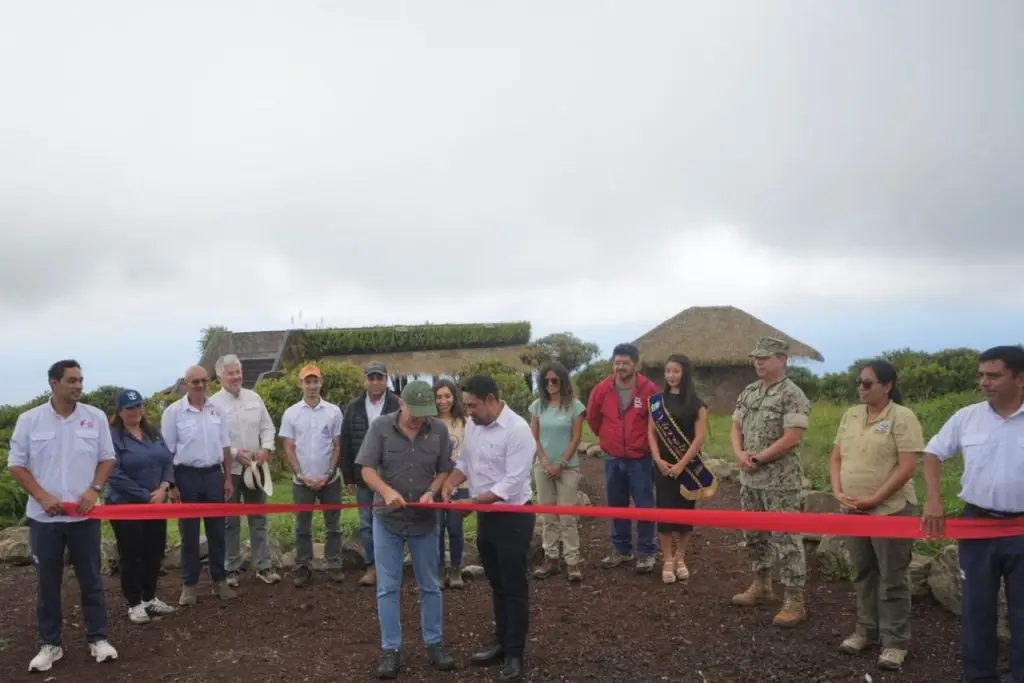

Located in the highlands of San Cristóbal, on private land within the island’s agricultural zone, the reserve marks a milestone in ecological restoration efforts and the protection of critical breeding habitat for this endemic species, classified as Critically Endangered by the International Union for Conservation of Nature (IUCN).
Los Petreles Reserve protects approximately 118 hectares of native forest, dominated by Miconia robinsoniana, and supports high biodiversity, including at least 27 species of native, endemic, and migratory birds, as well as native ferns and endemic orchids. It currently safeguards seven petrel nesting colonies and 141 nests, positioning it as one of the most important sites for the recovery of the petrel on San Cristóbal.
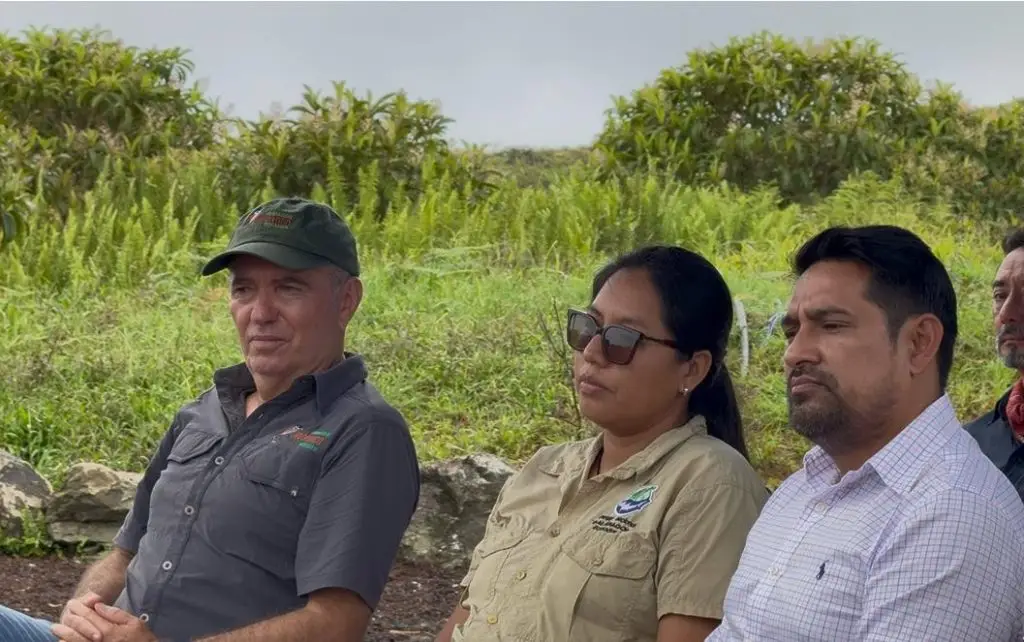
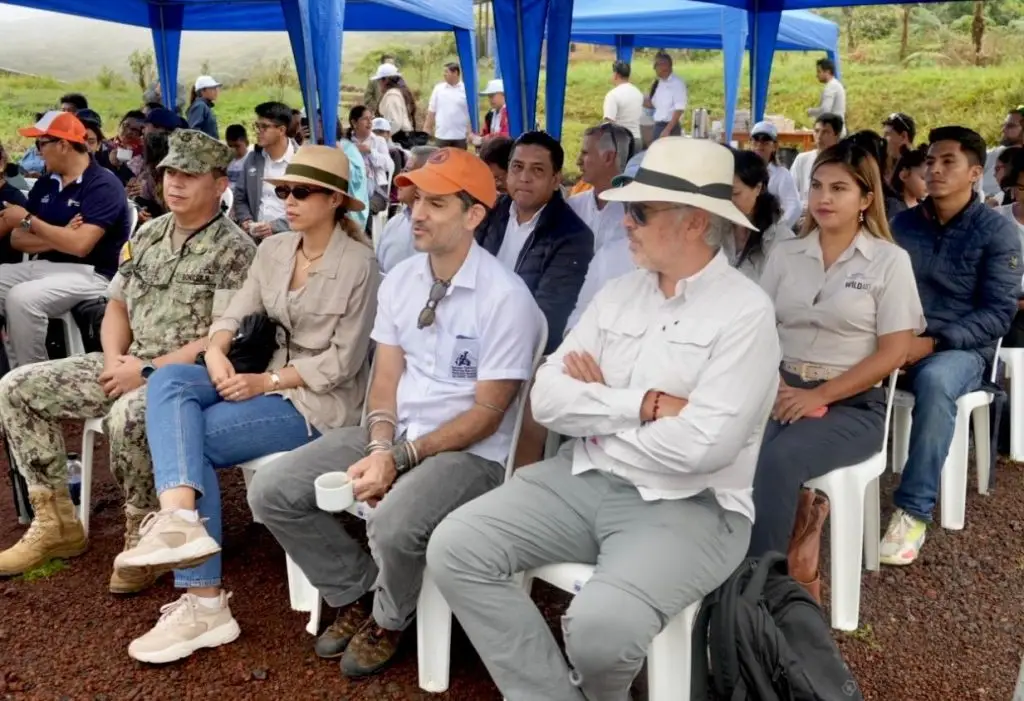
During the inauguration event, the following highlights were emphasized:
- The ecological importance of the petrel as an indicator of island ecosystem health.
- Progress in invasive species control and habitat restoration.
- Strengthened environmental education programs for children and youth in San Cristóbal.
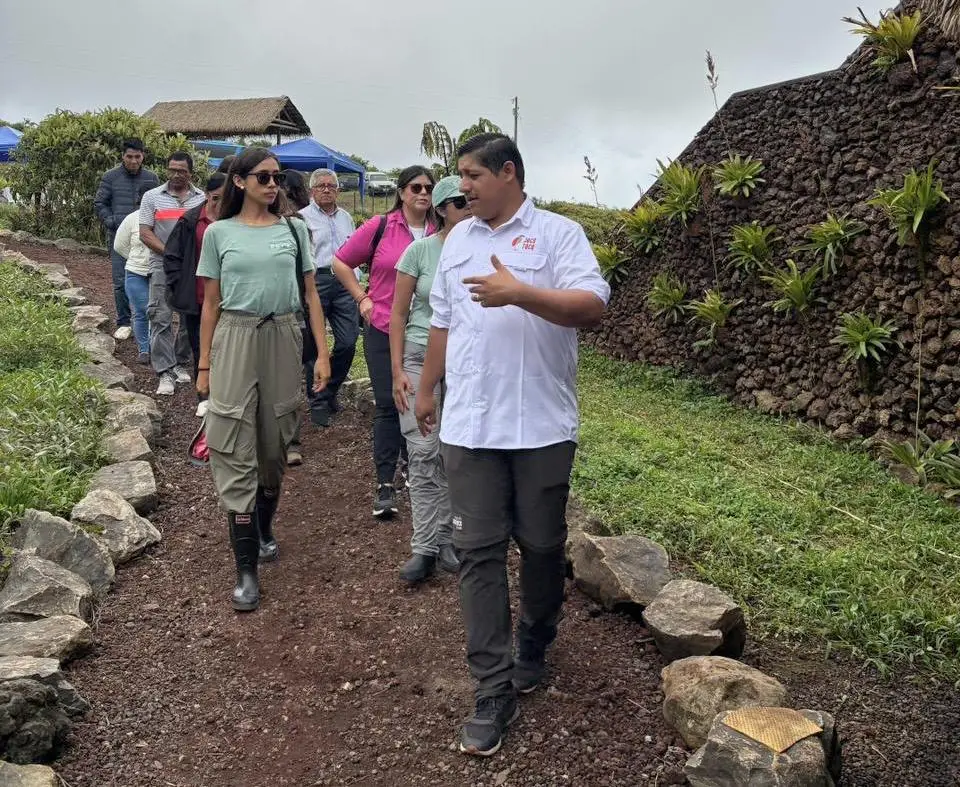
- The establishment of a space for scientific research, monitoring, and controlled educational visits.
"Every conservation action is the result of years of planning, technical work, and human commitment. Los Petreles Reserve represents hope, resilience, and a future for new generations"
Eliécer Cruz, Director of Fundación Jocotoco's Galápagos Program.
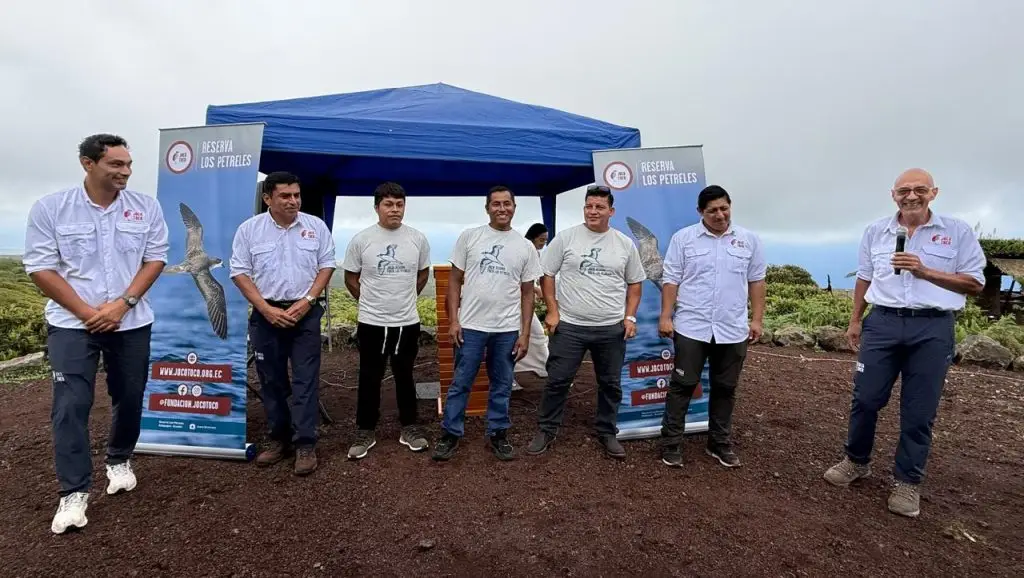
Beyond its ecological value, the reserve is envisioned as a living educational space where students from Galápagos, scientists, and volunteers can learn and actively contribute to the conservation of this species. Since 2023, educational programs have engaged students from San Cristóbal, Santa Cruz, and Isabela in hands-on learning experiences that combine science, exploration, and direct interaction with biodiversity.
The official inauguration of the reserve not only protects a critically endangered species, but also reaffirms the commitment to conserving Galápagos’ terrestrial and marine ecosystems as a globally significant natural heritage area.
About the Galápagos Petrel
The Galápagos Petrel plays a vital ecological role: it spends most of its life at sea and returns to land only to nest, connecting marine and terrestrial ecosystems while contributing essential nutrients to island soils.
However, it faces multiple threats, including predation by introduced species such as rats, cats, and feral dogs; habitat degradation caused by invasive plants or poor management of livestock; and marine pollution, particularly plastics.
Conservation actions
Fundación Jocotoco currently holds a research permit issued by the Galápagos National Park Directorate (DPNG), allowing it to implement conservation actions for the Galápagos Petrel on the islands of San Cristóbal, Floreana, and Santa Cruz.
This conservation effort is carried out in coordination with the DPNG and other strategic partners, under an approach grounded in scientific evidence and interinstitutional collaboration.
Among the main achievements is the development of the first Standardized Monitoring Protocol for the Galápagos Petrel, strengthening the generation of key data to support conservation decision-making across the archipelago.